
What to discuss
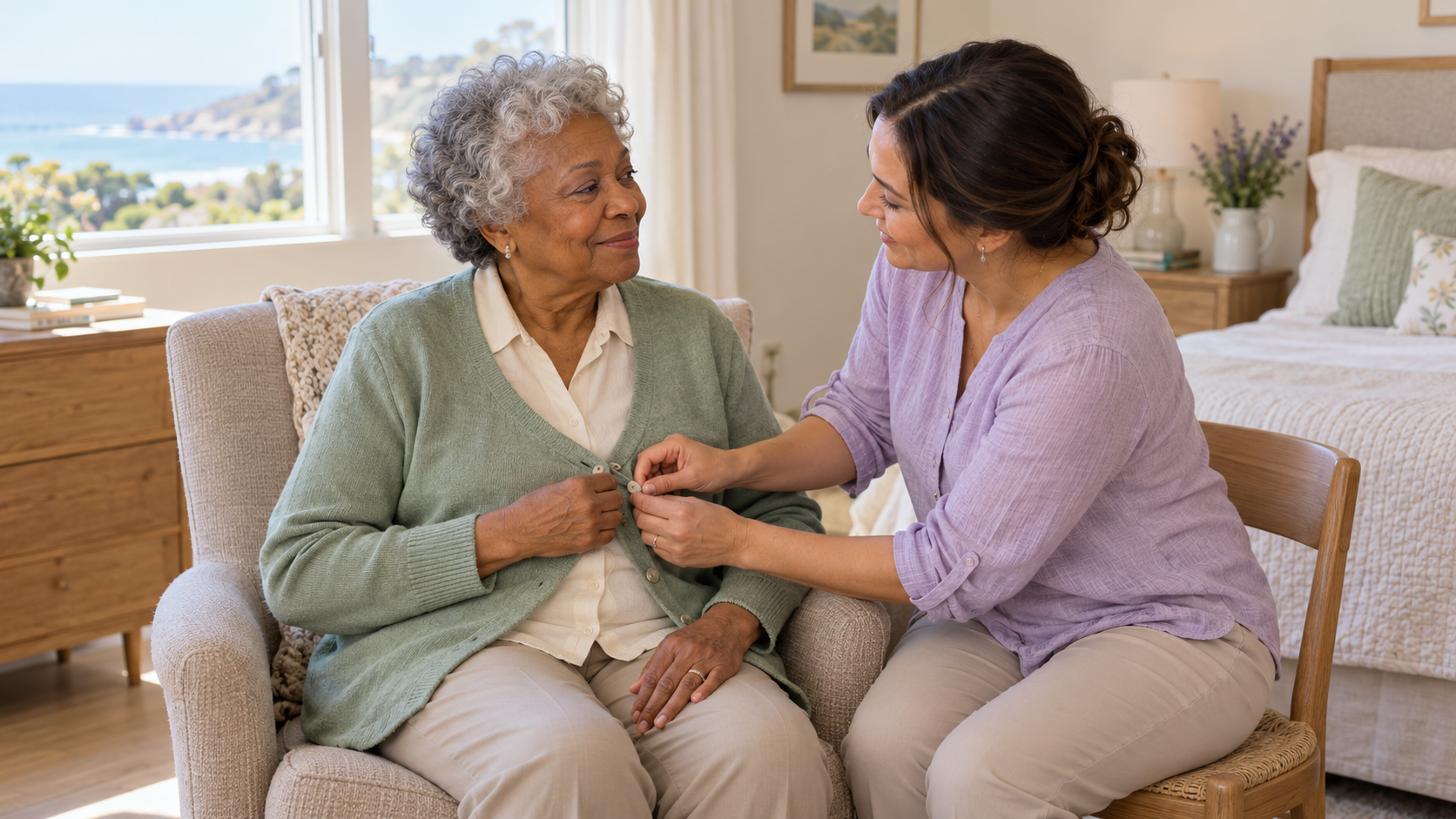
The person behind the diagnosis matters. Their interests, preferences, and everyday habits help guide the care conversation. We start by learning where assistance would be useful, how daily routines are managed, and what helps the person feel comfortable receiving support. Care planning also includes discussing family involvement and the level of assistance needed.
Companionship and familiar activities
Support with agreed daily routines
Help with personal care, based on individual needs
Care needs, supervision requirements, caregiver suitability, schedule, and availability are reviewed before any arrangement. This is non-medical support and does not include diagnosis, treatment, or skilled nursing.

Get Started Today
Share the daily activities where help would be useful, your location, and your preferred schedule. You can explore care for yourself or someone you love.
Discuss the assistance needed, caregiver availability, scheduling, and costs. If you plan to use insurance, confirm your benefits and payment arrangements before services begin.
Before care starts, confirm the tasks, visit schedule, personal preferences, and payment terms so everyone understands what to expect.
Rooted in the Central Coast
Explore our launch area across two counties. Choose a county to find local information and prepare the right questions
San Luis Obispo County
Thoughtful in-home support for families across the South County, coast, and North County.
Santa Barbara County
From the South Coast to the Santa Maria Valley, explore in-home support close to the people and routines you love.
YOU DON’T HAVE TO FIGURE IT OUT ALONE
Explore support for yourself or someone you love.
New to home care?Start here.
What can non-medical dementia support include?

Support may include companionship, familiar activities, meal preparation, light household assistance, and help with agreed personal routines. The exact tasks depend on individual needs and caregiver suitability. These services do not replace medical care.
How is dementia different from Alzheimer’s disease?
Dementia describes a group of symptoms affecting memory, thinking, and everyday functioning. Alzheimer’s disease is one cause of dementia and the most common. Support should be planned around the person’s individual needs, rather than the diagnosis alone.
Can someone living with dementia receive support at home?
Whether home support is appropriate depends on daily needs, supervision requirements, safety considerations, and available assistance. Discuss clinical needs with a healthcare professional and confirm that the care provider can meet the agreed support requirements.
Can family caregivers arrange respite visits?
Families can discuss planned support that would allow a caregiver to take time for rest or other commitments. The person’s needs, agreed tasks, schedule, and caregiver suitability must be reviewed before respite is arranged.
How do I pay for dementia support at home?
Private-pay costs and payment terms are discussed during care planning. If you have insurance, coverage depends on your policy and the services involved. Confirm eligibility and any billing or reimbursement arrangements before support begins.
We will get back to you as soon as possible